


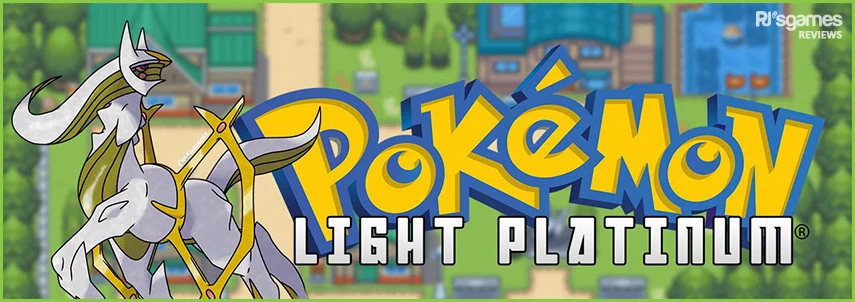
Pokémon Platinum Review
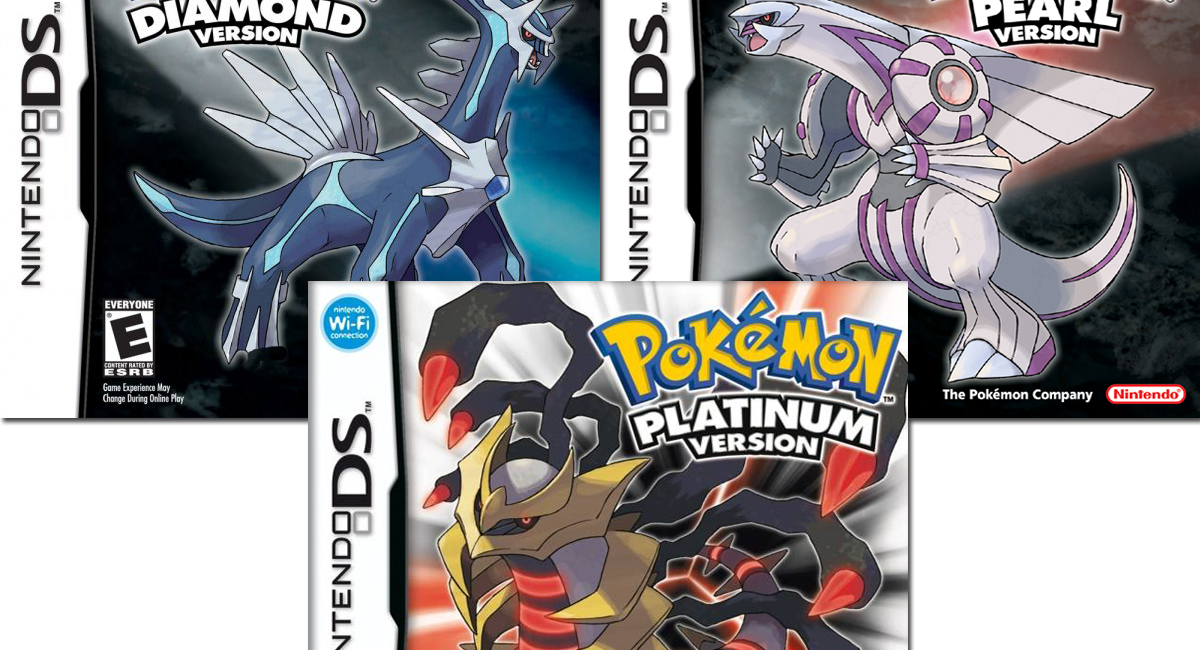
When Generation IV debuted on the Nintendo DS, it marked a pivotal transition for the franchise. However, while Pokémon Diamond and Pearl laid the groundwork for online trading and physical/special move splits, they suffered from noticeable performance hiccups, pacing issues, and a starkly limited regional Pokédex. Released as the enhanced third version, Pokémon Platinum Review arrived to address nearly every major criticism of its predecessors. Decades later, with official Pokémon games constantly evolving, gamers frequently ask whether this classic title remains the definitive way to explore Sinnoh. In this comprehensive review, we evaluate its narrative tweaks, mechanics, post-game depth, and overall standing in the series.
Pokémon Platinum Review: What Sets Platinum Apart?
Rather than completely reinventing the wheel, Game Freak focused on polishing the existing core. If you previously read our Muppets CD ROM Game Mac OS Free: How to Find & Play It, you know that the original duo struggled with sluggish battle animations and a notoriously slow surfing speed. Platinum tackles these technical bottlenecks directly, optimizing overworld movement and engine processing to deliver a drastically smoother experience.
Beyond technical polish, the game completely restructures early-game flow, Gym progression order, and character interactions. The inclusion of new story events, rebalanced trainer rosters, and atmospheric visual overhauls transforms what could have been a simple re-release into a comprehensive director’s cut.
Narrative and Lore: Giratina Takes Center Stage
The narrative baseline follows the familiar journey: an ambitious young trainer sets out from Twinleaf Town, selects a starter Pokémon (Turtwig, Chimchar, or Piplup) from Professor Rowan, and aims to defeat eight Gym Leaders to challenge the Pokémon League. However, the background plot involving Team Galactic undergoes a significant overhaul.
Expanded Galactic Ambitions and Cyrus’ Depth
In the original releases, Team Galactic felt like a fairly standard villainous syndicate. In Platinum, Team Galactic leader Cyrus receives substantial narrative development. His philosophical dialogue regarding a universe devoid of spirit and emotion is fleshed out through additional encounters at the Veilstone Headquarters and Mt. Coronet. His motivations feel far more menacing, elevating the stakes during the main campaign climax.
The Lore of the Renegade Pokémon
Central to this updated storyline is Giratina. While Dialga and Palkia controlled time and space in the original versions, Platinum integrates all three members of the Creation Trio into its mythology. Lore details surrounding Giratina’s banishment to a realm devoid of normal physical laws are woven throughout the narrative, culminating in one of the most memorable sequences in handheld gaming history. For complete stat breakdowns and lore entries on Giratina, you can consult Giratina’s Bulbapedia profile.
Gameplay Enhancements & Key Mechanics
This part of our Pokémon Platinum Review looks at the mechanics that matter most. While the turn-based battles stay true to core RPG traditions, key mechanical additions revitalize both casual exploration and end-game challenges.
The Distortion World
The undisputed centerpiece of the game is the Distortion World. Replacing the standard Spear Pillar climax, this eerie, gravity-defying dimension drops players into a space where trees grow sideways, platforms float independently, and walking upside-down on vertical walls is required to progress.
The Distortion World introduces unique gravity-shifting puzzles and surreal environmental design.
This dimension serves as both a narrative high point and an engaging navigational puzzle. Navigating through shifting platforms while tracking down Giratina in its serpentine Origin Forme delivers a level of cinematic tension rarely seen in earlier handheld titles.
A Fixed Regional Pokédex & Team Variety
No Pokémon Platinum Review would be complete without addressing team building. Perhaps the most critical fix in this release is the overhauled Sinnoh Pokédex. In Diamond and Pearl, the regional Pokédex was capped at 151 species, leading to infamous roster balancing issues—most notably, the severe shortage of Fire-type Pokémon, leaving Ponyta and Chimchar as the only options available before the post-game.
This issue was resolved by expanding the regional Pokédex to 210 species, integrating popular evolutionary lines right into the main campaign. Players can naturally encounter and catch:
- Fire Types: Houndour, Magby, and Flareon
- Electric Types: Elekid, Rotom, and Jolteon
- Popular Powerhouses: Eevee, Gible, Togepi, Riolu, and Porygon
This expansion dramatically improves team-building freedom. Elite Four member Flint finally commands a legitimate Fire-type roster rather than relying on Drifblim and Lopunny to fill out his team. If you are interested in optimal party builds, check out our guide on the best team compositions for Sinnoh.
Online Integration and Post-Game Challenge
Every thorough Pokémon Platinum Review has to cover the endgame, since it’s where this title truly shines compared to modern releases, offering dozens of hours of replay value after the credits roll.
The Battle Frontier
Replacing the basic Battle Tower from the original games, the Battle Frontier makes a triumphant return from Generation III. Located at the Fight Area, it features five distinct facilities, each governed by a Frontier Brain:
- Battle Tower: Standard single and double battle challenges.
- Battle Factory: Focuses on draft rental teams and tactical adaptability.
- Battle Castle: Requires managing Castle Points (CP) to heal, rent items, or view enemy stats.
- Battle Hall: Tests individual Pokémon match-ups across continuous 1-on-1 battles.
- Battle Arcade: Incorporates a roulette wheel that applies random field effects or status conditions.

The Battle Frontier provides massive end-game depth for strategy-focused players.
Roaming Legendaries and Hidden Forms
Beyond the Frontier, the post-game introduces extensive legendary hunting. Players can track down the Legendary Birds of Kanto (Articuno, Zapdos, and Moltres) roaming across Sinnoh, unlock the Regi trio via special events, and explore late-game areas like Stark Mountain alongside companion NPCs like Buck.
Graphics, Audio, and Performance Tweaks
The presentation side of this Pokémon Platinum Review deserves equal attention. Visually, the tilemaps receive distinct environmental upgrades. Towns like Twinleaf Town and Route 201 feature heavy snow patches, while Gyms undergo complete architectural overhauls. Eterna City’s Gym now features a functioning flower clock puzzle, and Hearthome City’s Gym replaces dark flash mazes with light-based math doors.
From an audio perspective, the soundtrack remains one of the finest in the franchise. Dynamic piano riffs during battle tracks, atmospheric themes in the Distortion World, and energetic battle themes for the Frontier Brains add immense flavor to the adventure.
Pros and Cons
To sum up the strengths and weaknesses covered in this Pokémon Platinum Review, here’s a quick breakdown:
| Pros | Cons |
|---|---|
| The Distortion World offers outstanding level design and atmosphere | Base game engine is still slower than Generation V titles |
| Expanded 210-Pokémon Pokédex drastically improves team options | Main campaign path remains largely identical to Diamond/Pearl |
| Battle Frontier delivers unmatched single-player endgame content | Physical cartridges are currently expensive on the secondary market |
| Significantly improved battle pacing and overworld surfing speed | Some online Wi-Fi Plaza features require custom DNS servers today |
Final Verdict: Does It Hold Up?
Ultimately, Pokémon Platinum Review stands as a masterclass in how to produce an enhanced third version. By fixing the regional Pokédex, tweaking engine performance, expanding the narrative around Giratina, and packing the post-game with the Battle Frontier, Game Freak crafted what remains the definitive way to experience the Sinnoh region.
Whether you are a newcomer wanting to explore Generation IV or a returning veteran comparing it against modern remakes, this game holds up as one of the peak achievements of two-dimensional handheld RPG design. It easily earns a spot near the top of our ranked list of the best Nintendo DS games.
Final Score: 8.5 / 10
Verdict: An essential RPG classic and the undisputed definitive Sinnoh adventure.
What was your favorite moment in Sinnoh? Did you conquer the Battle Frontier or struggle through the Distortion World? Drop your thoughts and favorite team lineup in the comments section below!

Building a balanced team in Sinnoh is much more rewarding thanks to the expanded regional Pokédex.