


TL;DR “Ru rom” is a phrase used by retro gamers searching for ROM files (digital copies of old game cartridges) on websites hosted in Russia (.ru). This guide will tell you what ROMs are, how emulation works, what’s technically legal, and where you can get retro games without the legal risk. You typed “ru rom” into a search engine. Maybe you’re seeking a memory from your childhood — a Super Nintendo title you haven’t thought of in years, or a Game Boy Advance game a friend used to bring to school. Whatever that was that made you click, you have ended up in a corner of the internet that is larger, more complex, and more legally ambiguous than most people think. This guide cuts through the clutter. You’ll come away knowing what “ru rom” really means, how emulation really works, which emulators are really worth using, and — most importantly — where to find and play retro games the right way. No grey areas, no shady downloads, no legal headaches.
What Does “Ru Rom” Actually Mean?
“Ru rom” combines two things: the “.ru” country-code domain extension used by Russian websites, and ROM, short for Read-Only Memory. This phrase became a shorthand search term in retro gaming communities as a number of retro gaming sites with .ru domains hosted large libraries of ROM files. When people search for “ru rom” they are generally looking for one of two things. Either they want a specific game file, or a website hosting a collection of them. The search term itself is neutral. It’s just a query. What you do next is what matters. Most jurisdictions consider downloading rom files for games you don’t own a copyright violation. This holds true regardless of the location of the host site. Before we get into emulators and platforms in this guide, it’s worth taking a moment to understand the difference.
What Is a ROM File? A Plain-English Explanation
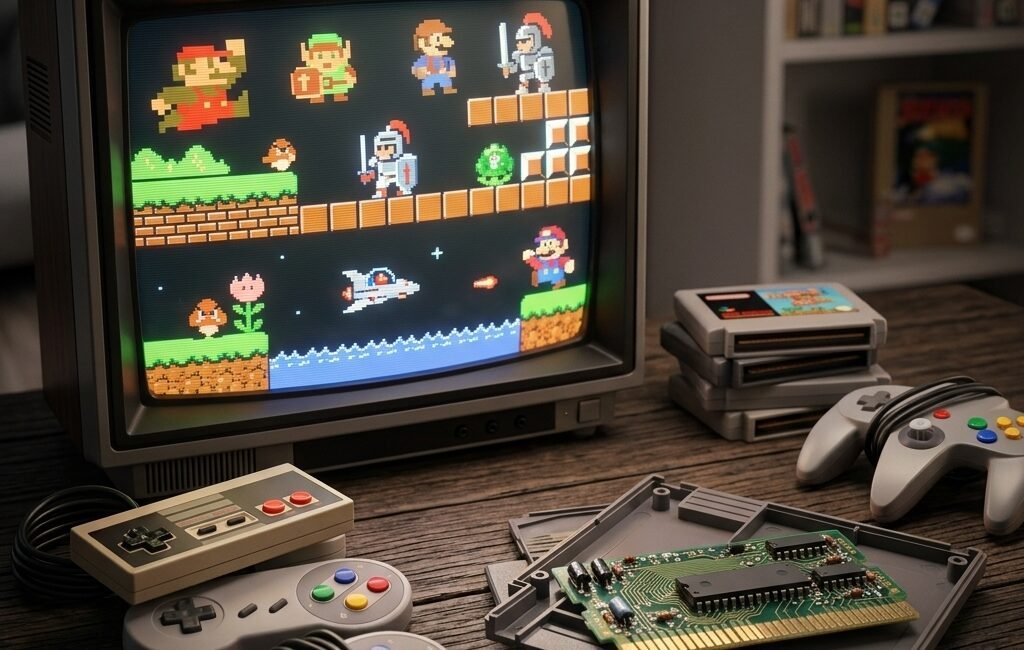
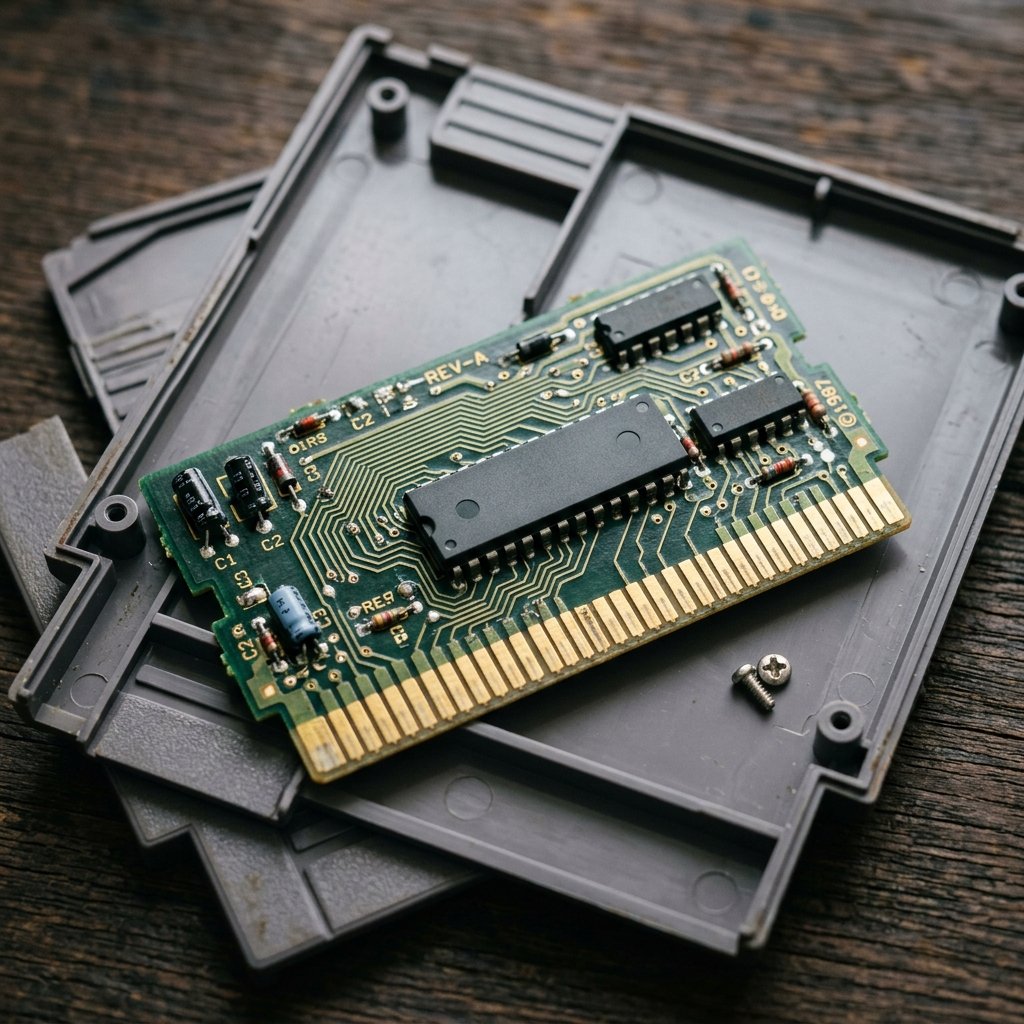
ROM is Read-only Memory. Every classic game cartridge, whether it’s a Game Boy Advance game or an original NES game, has a chip that stores the game data. A ROM file is a digital copy of the contents of that chip. Originally, developers and digital archivists used ROM dumping to preserve games before physical hardware degraded. Those files eventually made their way through the internet, creating the entire retro gaming emulation ecosystem. Having a ROM file doesn’t do anything. It needs an emulator to run, a piece of software that emulates the hardware of the original console.
Myth vs. Fact: Common Misconceptions About ROM Downloads
There’s a lot of outdated or simply wrong information floating around retro gaming forums. Here are the myths that keep circulating — and what’s actually true.
| Myth | Fact |
|---|---|
| “Owning the cartridge means you can legally download the ROM.” | False. US copyright law does not include a consumer backup exemption for games. Owning the physical copy does not grant the right to download a digital version. |
| “Emulators are illegal.” | False. Emulator software itself is legal. US courts have consistently ruled that independently developed emulators do not infringe copyright. |
| “Old games are in the public domain.” | Mostly false. Copyright terms in the US extend to 95 years for works published before 1978. Most retro games are still protected. |
| “If the publisher no longer sells the game, it’s abandonware and free to use.” | False. “Abandonware” has no legal standing. A game being out of print does not place it in the public domain. |
| “ROM sites outside the US are safe to use.” | Risky. Copyright law applies to the downloader’s jurisdiction, not just the host’s. |
How Does Emulation Actually Work?
An emulator is a software program that replicates the functionality of a specific gaming console ( processor, graphics chip, memory map, input handling, etc ) on other hardware. When you load a ROM file into an emulator, the emulator fools the game code into thinking it’s running on the original device. It is like a translator. Game is labeled as “Super Nintendo.” Your PC is telling you something different. The emulator is a middle man, translating instructions on the fly to make sure everything works as it should. Emulators are created through reverse engineering, which US courts have said is legal and appropriate if you do it yourself. The emulator itself infringes nada. Loading that emulator with copyrighted ROM files without authorization is where the question of legality arises.
Emulator Comparison: Which One Should You Use?
Not all emulators are built the same. Some focus on one specific console; others support dozens. Here’s how the most popular options compare.
| Emulator | Best For | Platforms | Ease of Use | Notable Feature |
|---|---|---|---|---|
| RetroArch | Multi-system emulation | PC, Mac, Linux, Android, iOS | Intermediate | Supports 40+ systems via “cores” |
| MAME | Arcade games | PC, Mac, Linux | Advanced | Massive arcade ROM library support |
| SNES9x | Super Nintendo | PC, Mac, Linux, Android | Beginner | Lightweight and highly accurate |
| VisualBoyAdvance-M | Game Boy / GBA | PC, Mac, Linux | Beginner | Excellent GBA compatibility |
| PCSX2 | PlayStation 2 | PC, Mac, Linux | Intermediate | High upscaling and HD texture support |
Choose RetroArch if you want one app to handle multiple systems. Choose SNES9x or VisualBoyAdvance-M if you’re focused on a single console and want the simplest setup possible.
Best Legal Platforms to Play Retro Games Right Now
The legal route has never offered more variety. These platforms give you access to hundreds of classic titles — no downloads from sketchy sites required.
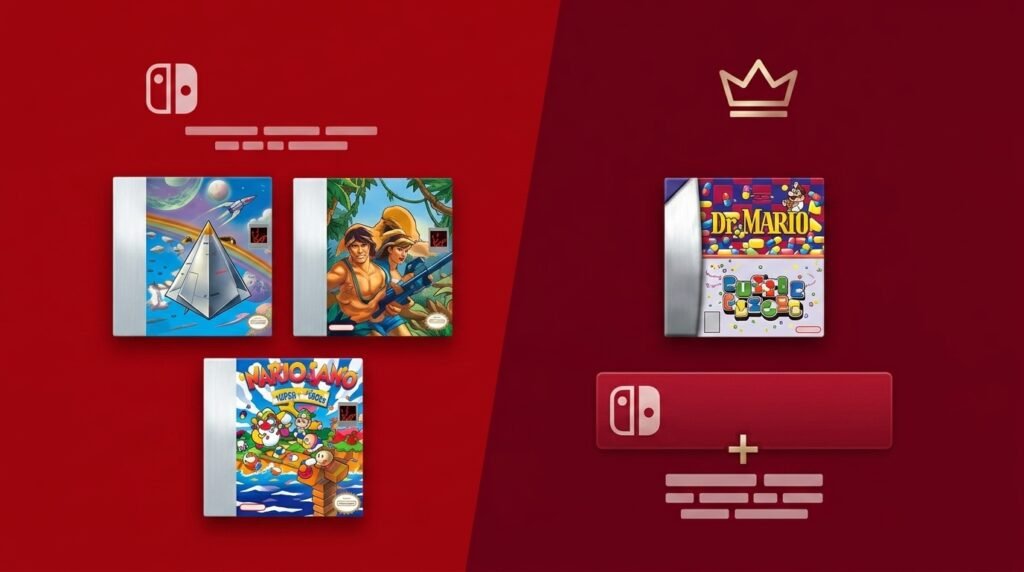
Nintendo Switch Online
Nintendo’s subscription service includes growing libraries of NES, Super NES, Game Boy, Game Boy Color, Game Boy Advance, N64, and Sega Genesis games. Online multiplayer is included, and the catalog updates regularly. Best for: Nintendo fans who want a curated, console-based experience.
GOG.com
GOG specializes in DRM-free PC games. Buy once, keep forever, no internet connection required to play. Their catalog spans hundreds of retro PC titles. Best for: PC gamers who want permanent ownership without DRM restrictions.
Steam
Steam stocks a wide range of retro and retro-inspired titles, with frequent sales that make classic games very affordable. Best for: PC gamers already in the Steam ecosystem.
Internet Archive
The Internet Archive hosts a collection of legally preservable software, including public domain and freeware games. Their browser-based emulator lets you play directly in a tab. Best for: Exploring genuinely free and public domain titles.
Antstream Arcade
A cloud-based retro gaming platform with over 1,300 licensed arcade and console games. Works across PC, mobile, and smart TVs. No downloads needed. Best for: Cross-platform players who want instant access to a huge catalog.
itch.io
Independent developers on itch.io frequently release retro-style games — and sometimes original retro titles — at low cost or free. It’s also an active community for game jams and experimental projects. Best for: Discovering new games built with a retro spirit.
Platform Comparison by Use Case
| Platform | Free? | Console Classics? | PC Titles? | No DRM? | Mobile Support? |
|---|---|---|---|---|---|
| Nintendo Switch Online | Subscription | ✅ | ❌ | ❌ | ❌ |
| GOG.com | No (buy titles) | ❌ | ✅ | ✅ | ❌ |
| Steam | No (buy titles) | ❌ | ✅ | ❌ | ❌ |
| Internet Archive | ✅ | Limited | ✅ | ✅ | ✅ (browser) |
| Antstream Arcade | Subscription | ✅ | ❌ | ✅ | ✅ |
| itch.io | Mostly free | ❌ | ✅ | ✅ | ✅ (browser) |
Mistakes to Avoid When Looking for Retro Game ROMs
Even well-intentioned retro gamers make avoidable mistakes. These are the most common ones worth knowing before you go further.
1. Assuming a site is safe because it looks professional.
ROM hosting sites often look polished. A clean UI doesn’t mean the files are legally distributed or that the site is free from malware. Many unauthorized ROM sites bundle files with adware or worse.
2. Trusting the “personal backup” myth.
This is the most repeated piece of misinformation in retro gaming. US copyright law does not include a backup exemption for consumers. Downloading a ROM for a game you own on cartridge is still legally risky.
3. Downloading ROMs for games available on official platforms.
If a game is available on Nintendo Switch Online, GOG, or Steam, there’s no legal case for downloading it elsewhere. The official version is often cheaper than the legal risk.
4. Using outdated emulators with bundled ROM packs.
Some older emulator distributions come pre-loaded with ROM files. These bundles are almost always unauthorized. Download emulators from their official sources only.
5. Ignoring region differences.
ROM files come in regional variants (US, EU, JP, etc.). Mismatched ROMs and emulator settings can cause bugs, missing features, or broken save states. Always match the ROM region to your emulator’s configuration.
Frequently Asked Questions
Is searching for “ru rom” illegal?
No. Running a search query is not a legal offense anywhere. The legal risk begins when you download copyrighted files without authorization. Searching for information, reading guides, or understanding how emulation works carries no legal consequence.
Can I legally download a ROM if I own the original cartridge?
Not under current US law. Copyright law does not provide a consumer backup exception for video games. Owning the physical cartridge grants you the right to use that specific cartridge — nothing more. Downloading a digital copy separately is a distinct act not covered by that ownership.
Are emulators themselves legal to download and use?
Yes. Emulator software is legal in the US and most other jurisdictions. Courts have ruled that independently developed emulators do not infringe copyright. The legal issue concerns only the ROM files loaded into them.
What does the “.ru” in “ru rom” refer to?
The “.ru” is Russia’s country-code top-level domain. Several retro gaming sites operating under .ru domains have historically hosted ROM files, which is why the phrase became associated with ROM searches. It’s a domain extension, not a type of file or emulation format.
Where can I find retro games for free legally?
The Internet Archive hosts genuinely free public domain and freeware games playable in-browser. itch.io also has a large selection of free games. Some developers have released their own older titles as freeware — these are safe to download when confirmed by the original creator.
Which emulator is best for beginners?
SNES9x is the most beginner-friendly option for Super Nintendo emulation. VisualBoyAdvance-M is the top pick for Game Boy and Game Boy Advance titles. Both have simple interfaces, strong compatibility, and good documentation. For multi-system emulation, RetroArch offers more power but has a steeper learning curve.
Is RetroArch legal?
Yes. RetroArch is open-source software distributed legally. The application itself is not the issue — it’s the ROM files you load into it. RetroArch supports loading ROM files dumped from cartridges you own, which is the intended legal use case.
The Smart Way to Revisit the Games You Love
Retro gaming is genuinely thriving. Classic titles are being rediscovered, preserved, and celebrated by a new generation of players — and the infrastructure to do it legally has never been more accessible or affordable.
The “ru rom” search path leads through some genuinely murky territory. But platforms like Nintendo Switch Online, GOG.com, Antstream Arcade, and the Internet Archive offer something better: real libraries of licensed classics, playable without any legal uncertainty.
For more retro gaming guides, reviews, and resources, browse the ROMs Games section at roomsgames.online — and check out the Game Reviews category for in-depth looks at classic titles worth your time.
The games are still there. Now you know how to find them the right way.

Other Articles
Is romsgames.net Safe? A Full Safety Review (2026)
Where to Downloads Retro Games: The Complete Legal Guide